Trezor.io/start – Your Complete Guide to Securely Setting Up a Trezor Hardware Wallet
In the world of cryptocurrency, controlling your assets means controlling your private keys. Unlike traditional banking, where third parties safeguard your funds, crypto ownership relies entirely on you. Losing access to your private keys or falling victim to phishing scams can result in permanent loss. That’s why hardware wallets, like Trezor, are essential tools for anyone serious about securing their digital assets.
If you’ve just purchased a Trezor device, the safest place to begin is Trezor.io/start. This official portal is designed to guide users through the setup process step by step, ensuring that your wallet is configured securely, your private keys remain protected, and your digital assets stay under your control. This guide will explain the purpose of Trezor.io/start, the exact steps to set up your device, and best practices for keeping your crypto safe.
What Is Trezor.io/start?
Trezor.io/start is the official onboarding page for Trezor hardware wallets. It provides verified instructions to ensure that your device is initialized correctly, your recovery phrase is backed up securely, and you are protected from phishing attempts or counterfeit software.
Key features of Trezor.io/start:
Verified setup guidance – Step-by-step instructions for configuring your Trezor device
Secure download of Trezor Suite – The official application for managing your cryptocurrencies
Recovery phrase education – Learn how to safely store your 12, 18, or 24-word seed phrase
Anti-phishing measures – Ensures you only access official resources
Using Trezor.io/start eliminates the risk of downloading malicious software or relying on third-party instructions that could compromise your assets.
Why You Should Always Start at Trezor.io/start
Cryptocurrencies are decentralized. There is no central authority to reverse transactions or recover lost funds. If your private keys or recovery phrase are exposed, your assets could be stolen forever. Trezor.io/start ensures that:
You download the official Trezor Suite application directly from Trezor
Your device is genuine and securely initialized
Private keys are generated offline, within the device itself
You receive clear instructions on protecting your recovery phrase
Skipping steps, using unofficial guides, or downloading software from third-party sources can expose your wallet to hackers. Trezor.io/start is designed to prevent these risks by guiding you through a secure setup process from the beginning.
Preparing to Set Up Your Trezor Wallet
Before visiting Trezor.io/start, it’s important to have everything ready. Proper preparation ensures a smooth and secure setup process.
What you need:
A new, sealed Trezor hardware wallet
A computer or smartphone with internet access
A USB cable for connecting your device
A private and secure location for setup
Pen and paper to write down your recovery phrase
Avoid public networks and shared spaces during setup. Privacy is key to keeping your crypto secure.
Downloading Trezor Suite
The first step on Trezor.io/start is to download Trezor Suite, the official desktop and mobile application for managing your cryptocurrencies. Trezor Suite is available for Windows, macOS, Linux, and through compatible mobile browsers.
Trezor Suite allows you to:
Manage multiple crypto accounts securely
Send and receive cryptocurrencies
Check balances and transaction history
Install or remove apps for supported cryptocurrencies
Use advanced features like passphrase protection and hardware wallets for multiple accounts
Downloading Trezor Suite directly from Trezor.io/start ensures you are installing the genuine, up-to-date software and not a counterfeit version designed to steal your funds.
Connecting and Initializing Your Trezor Device
Once Trezor Suite is installed, connect your Trezor hardware wallet to your computer using the USB cable.
Selecting Setup Type
Trezor Suite will ask whether you want to:
Set up a new device – For first-time users
Recover an existing wallet – Using a recovery phrase from another Trezor or compatible device
For new users, always select Set up a new device. This ensures that fresh private keys are securely generated inside your Trezor device.
Setting a PIN Code
Your Trezor PIN code protects your device from unauthorized physical access. Choose a PIN that is unique, difficult to guess, and never share it with anyone. Every time you unlock your device, you will need this PIN. Multiple incorrect attempts will reset the device, protecting your crypto from physical theft.
Understanding and Securing Your Recovery Phrase
The recovery phrase, sometimes called a seed phrase, is the most critical component of your Trezor wallet. Trezor devices generate a 12, 18, or 24-word recovery phrase during setup. This phrase is the master key to all of your assets.
Important rules for your recovery phrase:
Write it down exactly as displayed, in the correct order
Never take photos or screenshots
Never store it digitally or online
Never share it with anyone, including Trezor support
If your device is lost, stolen, or damaged, the recovery phrase is the only way to regain access to your wallet. Anyone who has it can control your assets, so it must remain private and secure.
Verifying Your Recovery Phrase
Trezor Suite will prompt you to verify your recovery phrase after writing it down. Verification ensures that your backup is accurate and usable. Selecting words in the correct order confirms that you can fully restore your wallet if needed.
Take your time during this step. Accuracy is crucial—a single mistake can prevent wallet recovery in the future.
Adding Accounts and Managing Crypto
Once your Trezor wallet is set up, you can start managing your digital assets:
Install apps for supported cryptocurrencies like Bitcoin, Ethereum, and many others
Add accounts in Trezor Suite to monitor balances and transactions
Receive crypto securely using your public addresses
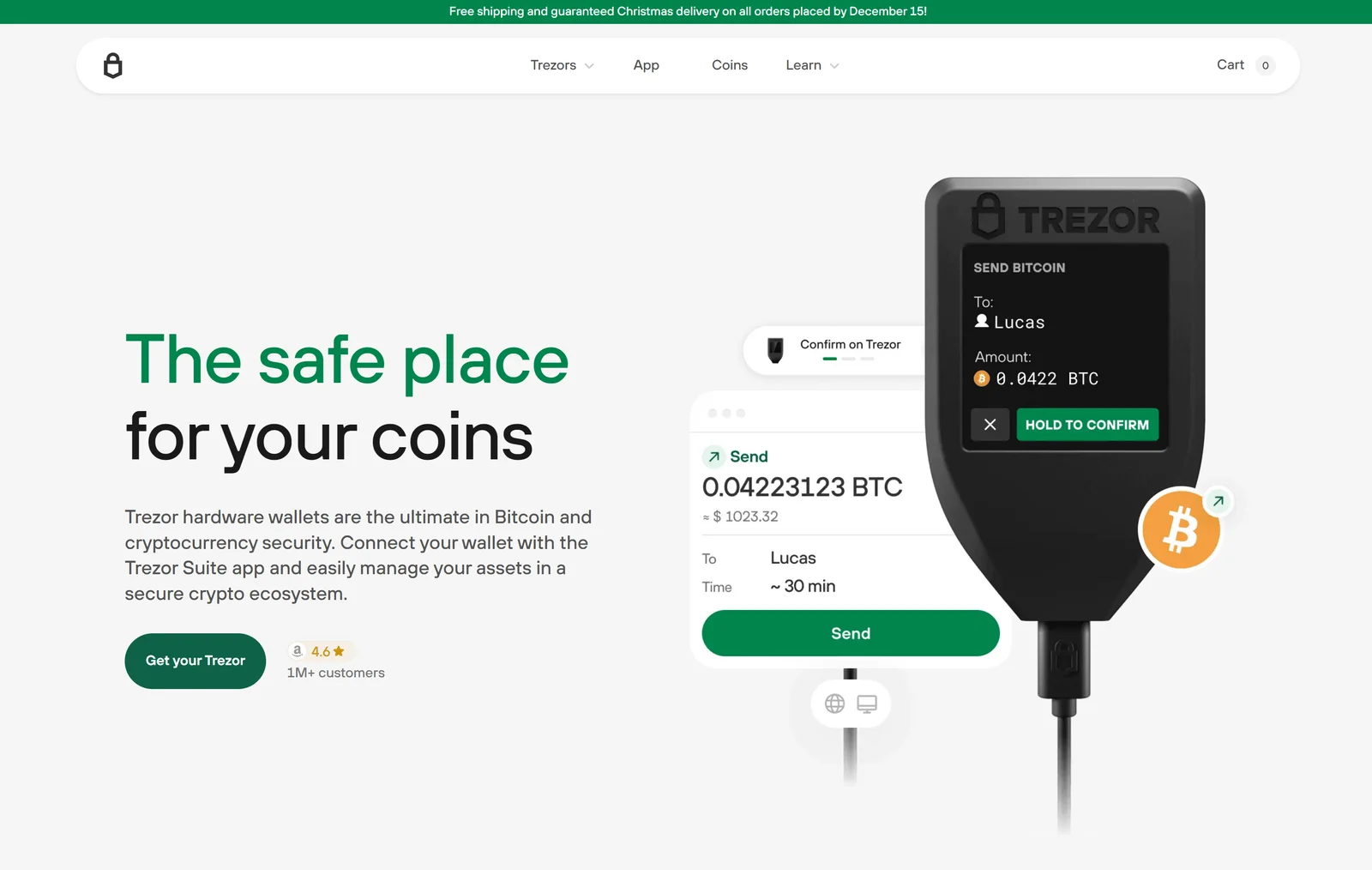
Send crypto with transactions verified directly on your device
Trezor supports thousands of coins and tokens, providing flexibility and security for both new and experienced users.
How Trezor Protects Your Assets
Trezor wallets are built with multiple layers of security:
Offline Key Generation – Private keys are never exposed to the internet
PIN Protection – Safeguards against unauthorized physical access
Passphrase Support – Adds an extra layer of encryption for advanced users
Firmware Updates – Regular updates improve security and add features
Open-Source Transparency – Trezor Suite software can be audited publicly
Following Trezor.io/start ensures that all these protections are properly implemented from the start.
Common Mistakes to Avoid
Even experienced users can make errors during setup. Avoid:
Entering your recovery phrase on websites or apps
Downloading Trezor Suite from unofficial sources
Sharing your PIN or recovery phrase
Ignoring firmware updates
Falling for phishing scams pretending to be Trezor
Trezor.io/start provides instructions and warnings to help users recognize and prevent these risks.
Best Practices for Long-Term Security
Security doesn’t end after setup. Maintaining strong habits is crucial to protecting your crypto assets:
Store your recovery phrase offline in a secure location
Consider using a metal backup for fireproof and waterproof storage
Keep Trezor Suite and your device firmware updated
Always verify addresses on your Trezor before confirming transactions
Stay informed about phishing attempts and scams
By following these practices, you can ensure that your crypto remains safe for years to come.
Conclusion
Trezor.io/start is the official gateway to securely managing your Trezor hardware wallet. By following the verified setup instructions, you ensure that your device is initialized properly, your private keys remain safe, and your digital assets are fully protected.
In a world where online threats are constantly evolving, starting at Trezor.io/start provides confidence and peace of mind. Take your time, follow each step carefully, and remember: your recovery phrase is your most important security asset. Protect it, and your crypto will remain safe.